If you have ever planned an adventure around a single wildlife sighting, you already know the feeling. It starts as a whisper of possibility, then becomes a hope, then a reason to cross an ocean. For us, that hope had four legs, oversized ears, a painted coat, and a reputation for being one of Africa’s most thrilling predators to witness in the wild.
This is the story of our Madikwe safari in South Africa: a trip delayed by COVID, guided by a three-animal wish list, and ultimately defined by our quest to see African wild dogs—also called painted dogs—moving through the bush at last light.
Our goal was simple and wildly ambitious: cheetah, black rhino, and wild dogs. We had been fortunate on previous trips to Africa, but these three species had remained just out of reach. That dream helped lead us to Madikwe Game Reserve, a malaria-free Big Five reserve in South Africa’s North West Province known for rewarding wildlife sightings, including cheetah and African wild dog. We chose Jaci’s Tree Lodge for the kind of intimate, tucked-into-the-bush safari experience that makes a trip feel personal from the moment you arrive.
ARRIVING AT JACI’S TREE LODGE IN MADIKWE GAME RESERVE
We arrived at Jaci’s Tree Lodge with enough time to settle in before our first evening drive, and almost immediately the stress of getting there began to fall away. Our room opened into a beautiful indoor-outdoor space raised above the ground, with a view toward a quiet stream and a deck that seemed designed for slowing down. Each afternoon, a bushbuck visited like clockwork, stepping softly through the scene as if it belonged in the welcome committee.
There was an outdoor shower, a lovely soaking tub, and one very important lodge rule we learned quickly: close everything before you leave, unless you want the monkeys to redecorate with your belongings.
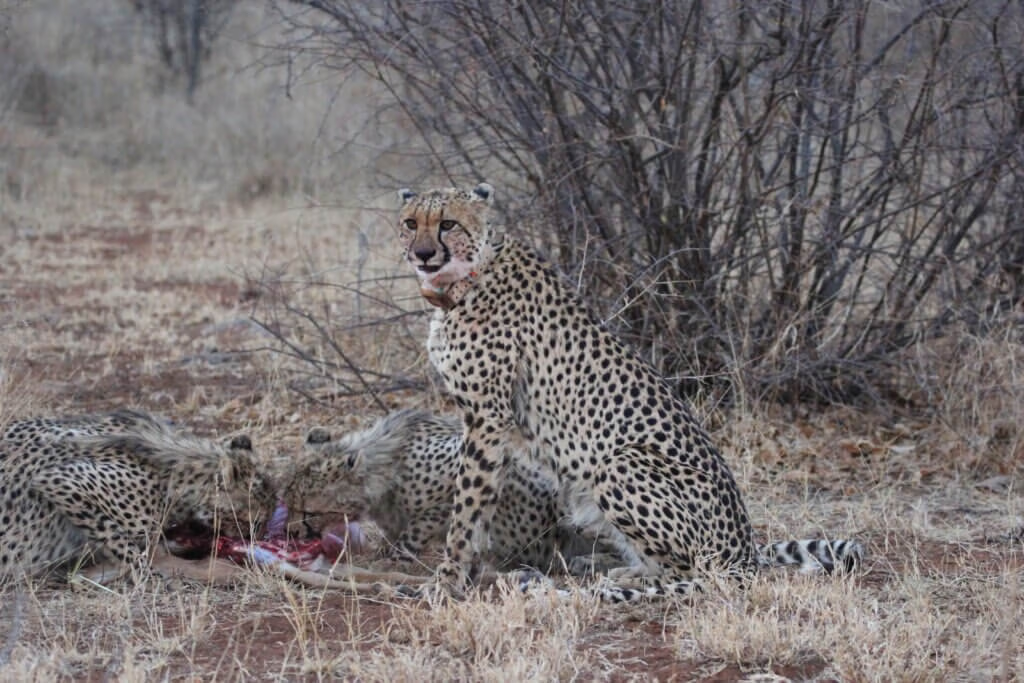
That first evening, we climbed into a safari vehicle with other guests and headed into the reserve. We had barely begun to settle into safari rhythm when the call came through: cheetahs on a kill.
Just like that, one of the three species on our wish list appeared on our very first drive. A mother cheetah, wearing a research collar, was there with her three cubs from the previous spring. We watched in awe, hardly believing our luck. After years of planning and postponing, Madikwe had greeted us with a gift.
A PRIVATE SAFARI EXPERIENCE WE NEVER EXPECTED
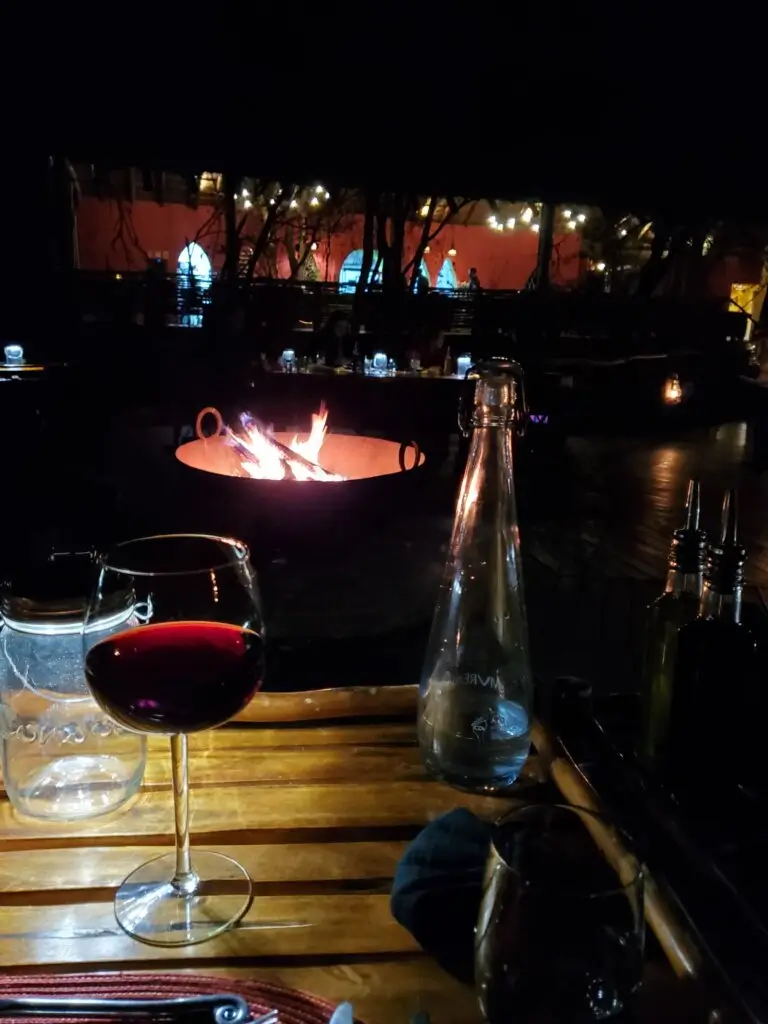
Dinner that first night was arranged around a fire, with each couple or group seated at its own table so everyone could visit while still keeping a safe distance. It was warm, thoughtful, and reflective of the strange time in which we were traveling.
The next morning, we arrived for breakfast expecting the hum of a lodge full of safari guests. Instead, it was quiet. Very quiet. That was when we learned we were Jaci’s first international visitors since the beginning of COVID. The other guests had been South African travelers enjoying a long holiday weekend, and they were all heading home that Monday morning.
For the remainder of our stay, we were the only guests at Tree Lodge.
It is hard to describe what that felt like. There were other travelers in the broader reserve and at other lodges, but very few. Most of Madikwe felt wide open, and suddenly our safari became something we never could have planned: personal, quiet, and deeply connective.
The team asked if we would like to spend a night in the Neledi Sleepout, an open-air room overlooking the waterhole. Yes. Absolutely yes. That night, we slept beneath drop-down netting with a heated blanket against the winter air. A woodfire-heated hot tub waited nearby, and dinner was served outside overlooking the waterhole. It was romantic, adventurous, and completely unforgettable—the kind of experience you feel grateful for even while it is happening.
WILDLIFE HIGHLIGHTS IN MADIKWE: CHEETAH, ELEPHANTS, LIONS, AND RHINO
By then, Dewayne had become our dedicated guide for the rest of our drives. On our first morning together, he asked the question every safari traveler loves to hear: “What is on your wish list?”
Since Madikwe had already surprised us with cheetahs, our answer was easy: black rhino and wild dogs. Especially the dogs. I wanted so badly to see the painted dogs of South Africa.
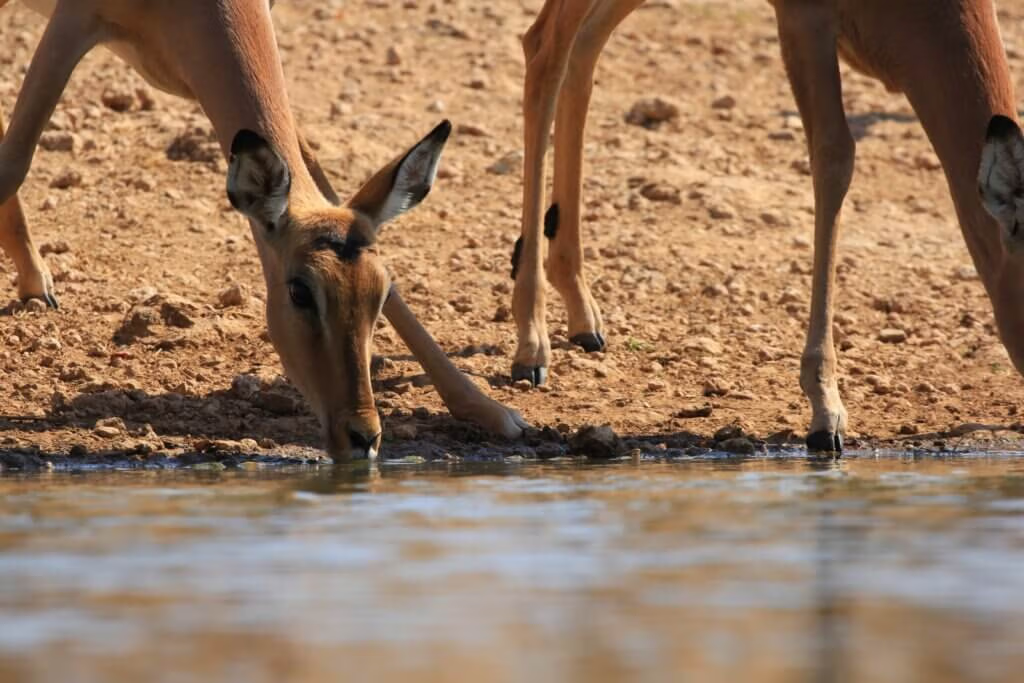
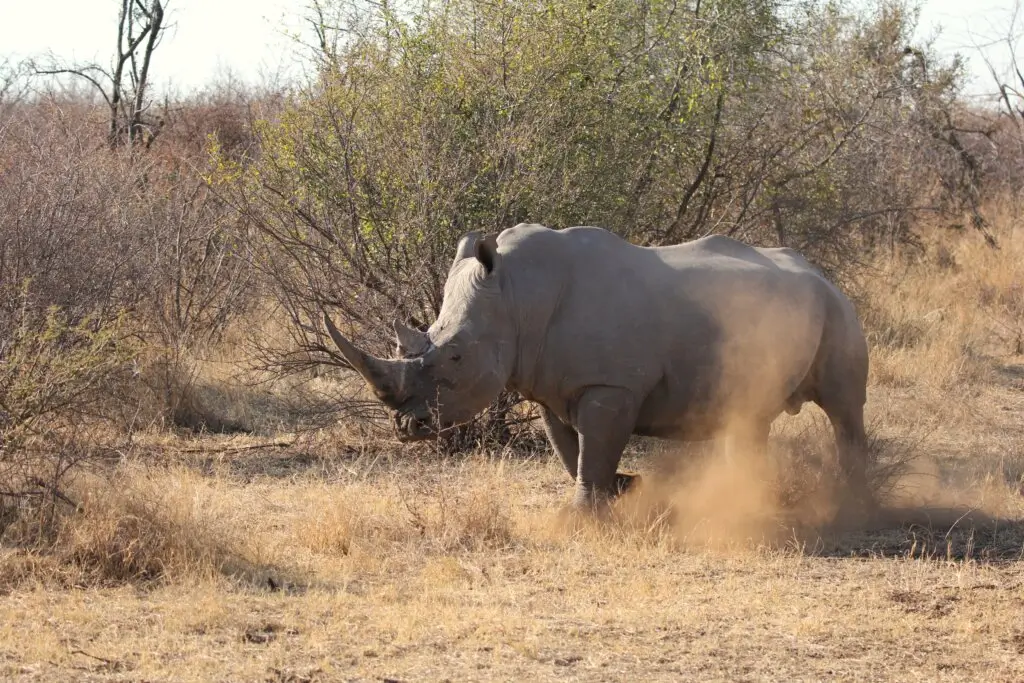
Over the next several drives, Madikwe revealed itself in layers. We saw white rhinos, elephants, zebras, and plains game. One evening, we parked on the far side of a watering hole and watched elephant family units arrive one after another. Youngsters splashed in the water, adults moved with that steady, ancient confidence elephants carry, and one large group walked right alongside our vehicle to use rubbing trees less than thirty feet away.
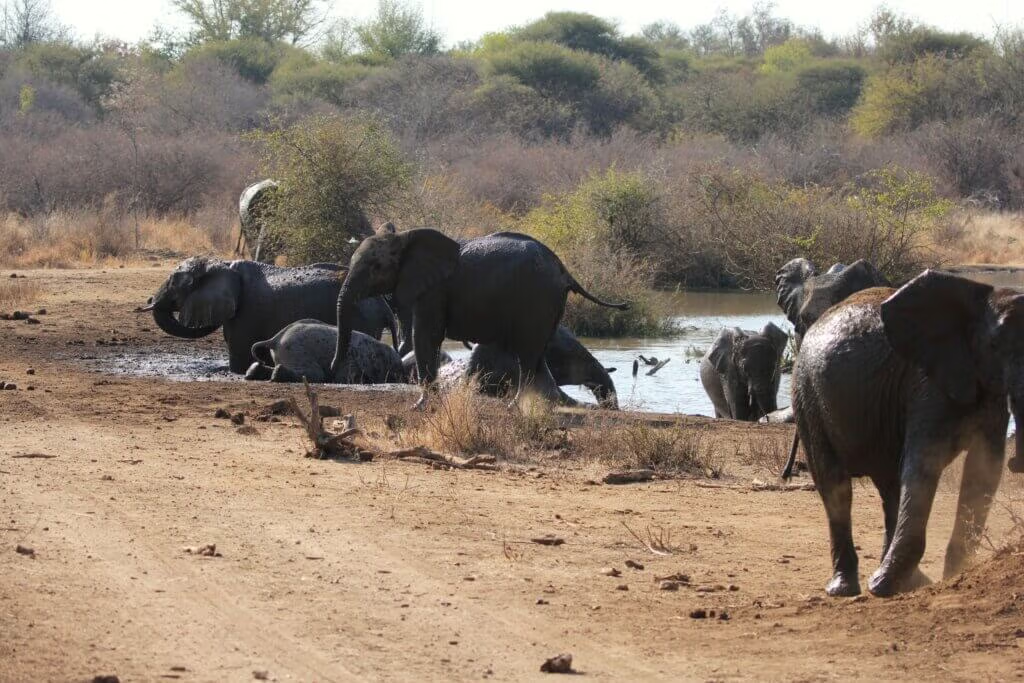
Another day, in the mountain region of the park, we saw elephants scattered across the hillside. At first, many looked like rocks because they had dusted themselves in the red dirt. But the longer we looked, the more elephants appeared. It felt like a wildlife version of Where’s Waldo—only the question was, how many elephants can you find?
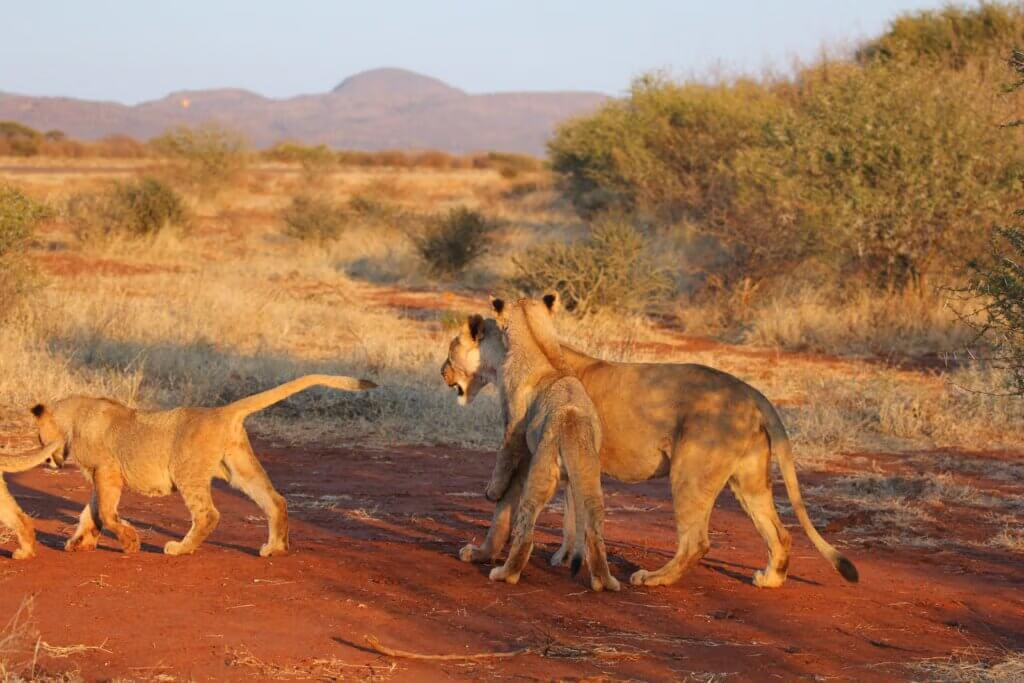
Then came lions. A call came through that lionesses were out with very small cubs. We had seen lions before, but never cubs this young and this close. They played and stalked each other like kittens, all oversized paws and unsteady confidence. Watching them, the park rule about not following lions with cubs into tall grass made perfect sense. They were so tiny that it would be far too easy to lose sight of them and cause accidental harm.
THE BLACK RHINO IN THE RIVER BOTTOM
And then, on one drive, Dewayne slammed on the brakes.
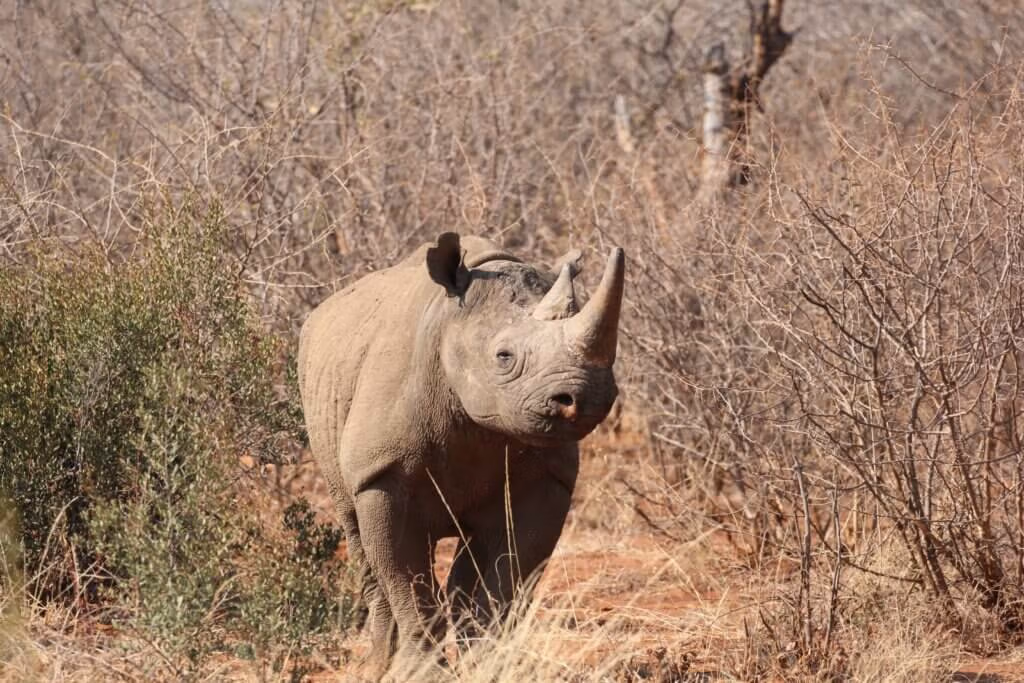
He backed up slowly, eyes locked on the thickets along the river bottom. There, tucked into the cover, was a black rhino. Black rhinos tend to be much shyer than their white rhino cousins, and this one seemed to embody that perfectly—hidden, watchful, almost swallowed by the brush.
There it was: species number two from our wish list. Cheetah. Black rhino. Only one remained.
SEEING AFRICAN WILD DOGS IN MADIKWE
On our last evening drive, Dewayne picked us up early with news that made my heart jump: there had been a sighting of the dogs in a far corner of the park. It would take time to get there, and there was no guarantee they would still be visible when we arrived. Did we want to go for it?
Yes. There was no hesitation. This was the sighting we had built the trip around.
We drove across the reserve and staged up for our turn. Only one vehicle was allowed with the dogs at a time, so we waited, watching the light soften and hoping they would stay. Then at last, it was our turn.
And there they were.
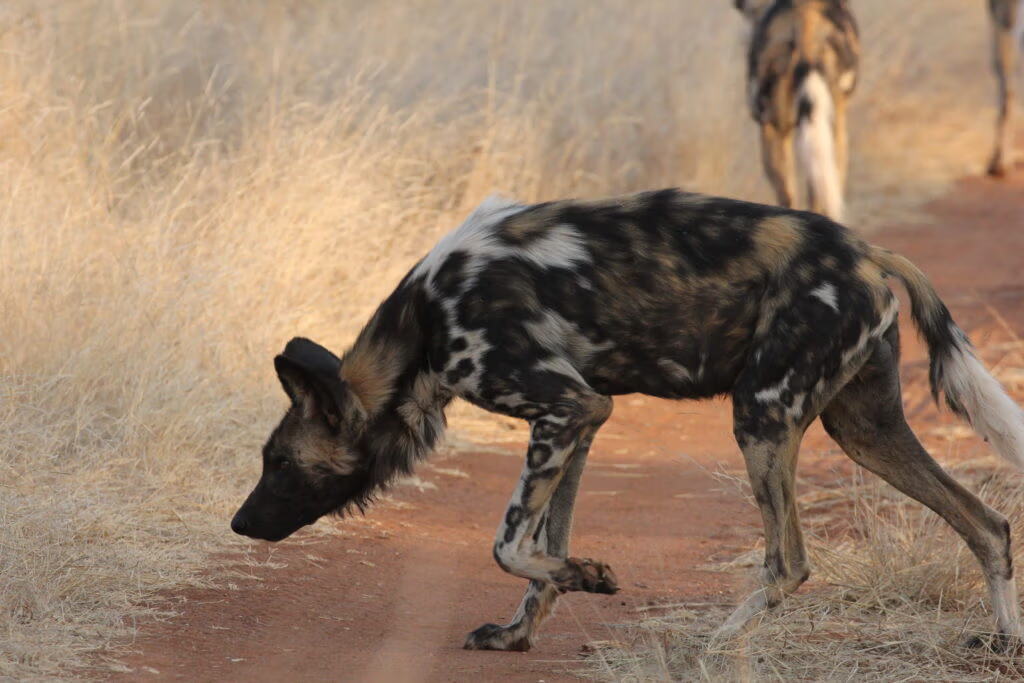
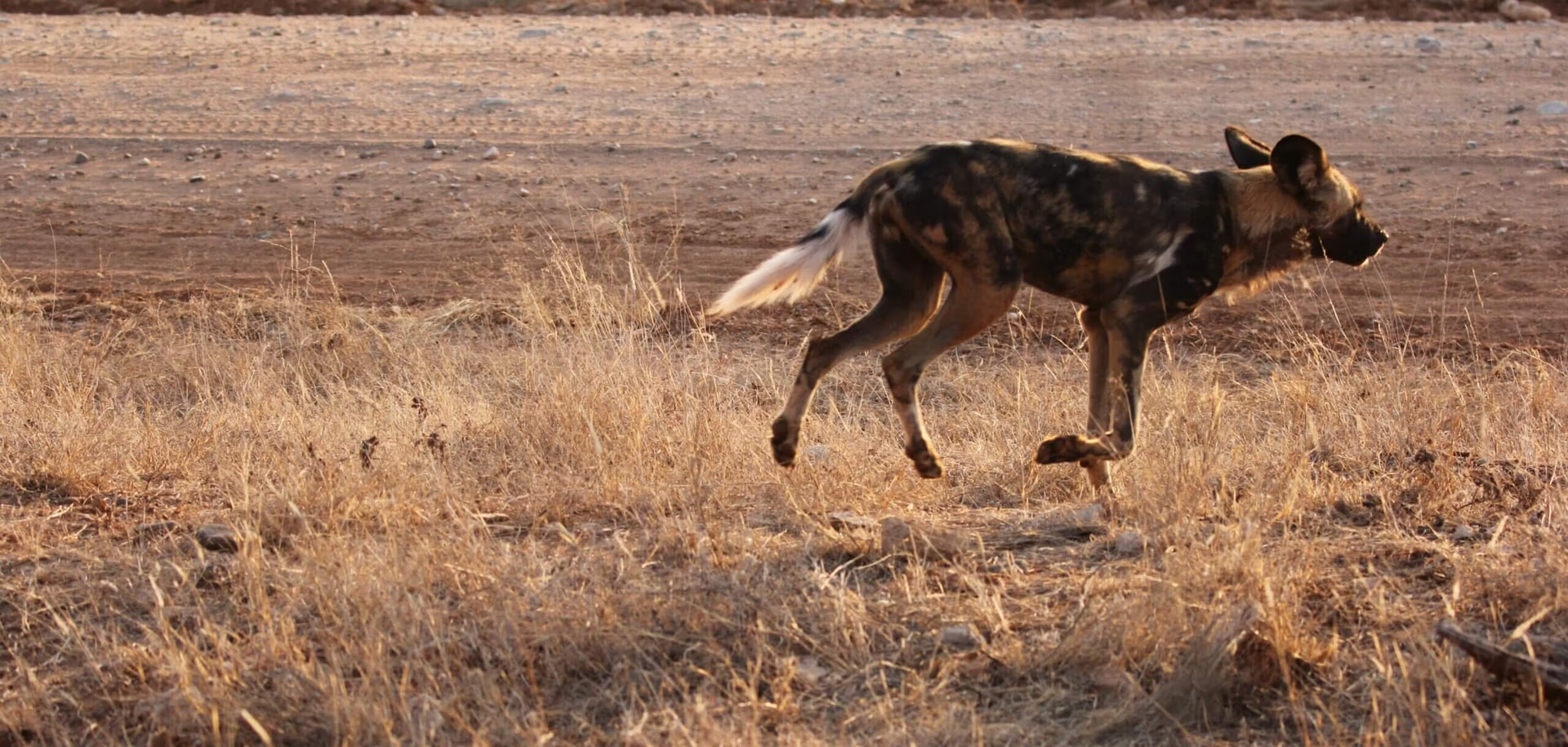
I cried. I was completely overwhelmed by the chance to see African wild dogs in South Africa’s wilderness—their painted coats, their alert ears, their constant awareness of one another. African wild dogs are endangered, and sightings can feel impossibly precious because they are wide-ranging, social predators that depend on connected wild landscapes. For years, they had existed in my mind as a hope. Now they were moving through the Madikwe landscape right in front of us.
As we watched, their energy shifted. They began communicating, connecting, gathering themselves. Dewayne explained what we were seeing: they were coordinating a hunt.
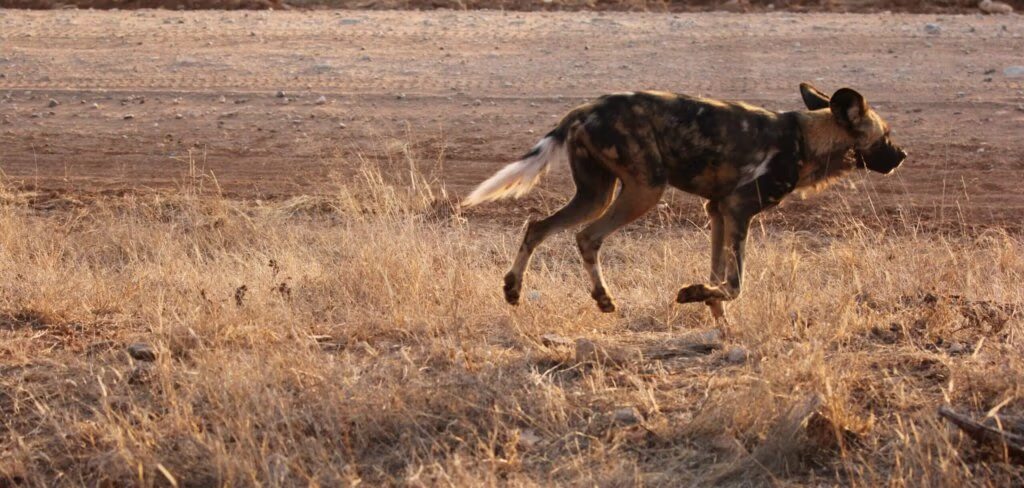
Then everything happened at once. Dewayne took off after the pack, navigating trees, holes, and uneven ground while communicating by radio and keeping the dogs in view. Ahead of them, we saw their target: a small herd of impala.
The dogs fanned out with breathtaking precision. A few moved ahead. Others slipped to the sides and behind. We could tell where the dogs were by the way the impala moved, and suddenly the impala were leaping one after another, forming a living rainbow in the air.
And then, as quickly as it began, it was quiet.
The hunt was not successful, and it was time to let the next vehicle have its turn. But for us, the moment had already become one of the great memories of our travels. We had seen them. We had watched them move, communicate, and work together across the landscape. We had witnessed the wild dogs of Madikwe.
WHY MADIKWE BELONGS ON A SOUTH AFRICA SAFARI ITINERARY
Madikwe felt like the right destination for this particular dream because it combines strong wildlife viewing with a quieter, more intimate reserve experience. The landscape gave us red-dust hillsides, riverine thickets, busy waterholes, and open stretches where the story of each drive could change in seconds. For travelers hoping to see African wild dogs in South Africa, Madikwe is the kind of place where possibility rides with you every time the vehicle leaves the lodge.
LEAVING WITH MORE THAN PHOTOGRAPHS
That evening, we celebrated with drinks, conversation, and gratitude. Madikwe had given us all three animals on our wish list, but it had given us something more, too: the rare feeling of being fully present in a place at a very particular moment in time.
We left the next morning with new memories—the kind that do not fade into the background of a trip, but stay bright. The quiet lodge after the holiday weekend. The bushbuck at our deck. Elephants on a red hillside. Lion cubs in the grass. A black rhino hidden in the river bottom. And, finally, the painted dogs running through the last light of our final evening.
Some adventures are planned around a destination. Others are planned around a hope. Our Madikwe safari was both. It gave us cheetahs on the first drive, a black rhino in the river bottom, elephants in red dust, lion cubs in the grass, and finally, the painted dogs we had crossed the world to see. It was worth every delay, every reschedule, and every mile.
Subscribe on Youtube to see all our videos. https://youtu.be/GT5tJGc1jyA